

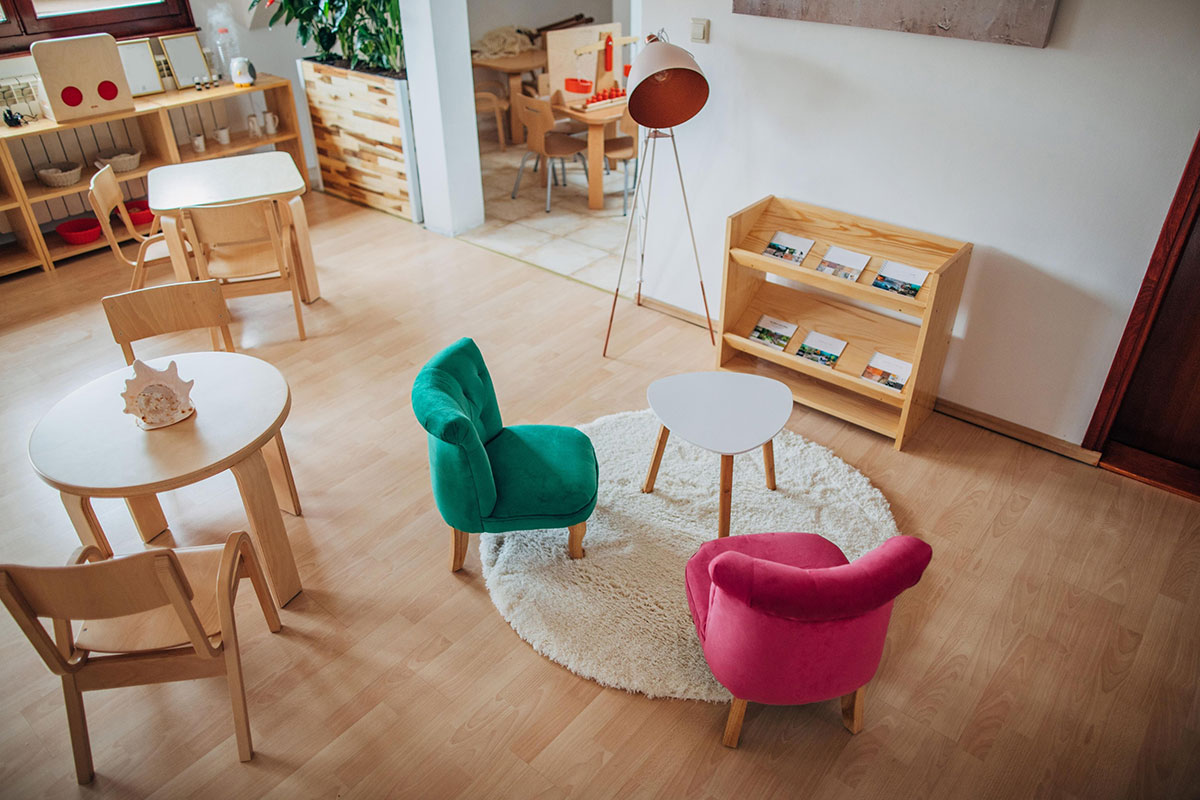
Sensory Friendly Classrooms for Learning
Creating a classroom where every student can learn with confidence begins with understanding how sensory experiences shape attention, behavior, and emotional well-being. Many neurodivergent learners face daily sensory challenges that make traditional classrooms overwhelming. By integrating sensory informed design and predictable routines, educators can reduce barriers, increase regulation, and create an environment where students feel safe, focused, and ready to engage.
Sensory friendly classrooms benefit all learners, not only those with identified needs. Small adjustments in lighting, acoustics, layout, and instructional approach can make a meaningful difference in attention, participation, and academic growth. The goal is simple. Create a space that honors individual needs and supports each student throughout the school day.
Understanding Why Sensory Friendly Classrooms Matter

A significant number of students have sensory processing differences that affect how they respond to noise, movement, touch, light, or visual stimuli. These differences can influence focus, emotional regulation, transitions, and social participation. When classrooms are not designed with sensory needs in mind, students may experience overload, withdrawal, or behavioral challenges that mask their true abilities.
Sensory friendly classrooms create opportunities for:
- Better regulation throughout the day
- Reduced overwhelm and fewer behavioral escalations
- Increased engagement and stamina during instruction
- More successful participation in group learning
- Improved confidence and emotional stability
Inclusivity begins with the environment. When students do not have to fight sensory overload, they gain the freedom to learn, communicate, and connect.
Core Sensory Elements That Support Learning
Lighting That Reduces Overwhelm

Lighting can significantly affect comfort and attention.
- Use dimmable or adjustable lighting when possible
- Increase access to natural light
- Reduce glare with indirect lighting
- Limit harsh fluorescent lighting
- Provide optional sunglasses or visors for sensitive students
Muting visual intensity creates a calming baseline that benefits the entire classroom.
Acoustics That Support Regulation

Noise can be one of the biggest triggers for sensory stress.
- Add soft materials to absorb sound, such as curtains, rugs, and bulletin boards
- Use noise reducing headphones as needed
- Identify quiet corners where sound is intentionally minimized
- Offer soft background noise or white noise when appropriate
- Keep group instruction areas free of echo as much as possible
A predictable auditory environment supports better listening and reduces fatigue.
Layout and Classroom Flow

A clear, intentional layout helps students understand expectations and feel grounded.
- Define distinct activity zones throughout the classroom
- Support smooth transitions between learning areas
- Include retreat spaces for quick regulation when students feel overwhelmed
- Maintain open pathways that reduce crowding and confusion
- Offer seating options that support movement and comfort
Visual clarity helps students understand what is happening and where to go next.
Textures and Materials That Support Comfort

Many students rely on tactile experiences for comfort or exploration.
- Offer a variety of textures through fidgets, fabric swatches, or manipulatives
- Avoid overwhelming patterns on floors, walls, or large furniture pieces
- Choose temperature neutral materials such as wood where possible
- Use low VOC paints and hypoallergenic fabrics when available
Tactile friendly environments help students stay calm and connected.
Calming, Purposeful Color Schemes

Colors influence mood and attention.
- Choose muted greens, blues, and warm neutrals as the base palette
- Use brighter colors as small accents rather than on entire walls
- Avoid highly saturated or high contrast visual clutter
Color becomes a supportive cue rather than a distraction.
Sensory Friendly Learning Practices
Creating a sensory informed classroom is more than adjusting the physical space. Instructional practices also play a major role.
Movement Breaks That Reset the Brain

Intentional movement increases focus and reduces tension.
- Use short movement breaks between lessons or during longer work periods
- Integrate brain gym activities or simple stretches
- Offer brief walking breaks in the room or hallway when appropriate
- Incorporate yoga based transitions or balance activities
- Provide chair or standing movement options for students who focus better with motion
Movement keeps energy regulated and minds ready to learn.
Predictability Through Visual Supports

Visual routines create comfort and reduce uncertainty.
- Post a clear visual schedule that reflects the flow of the day
- Use picture aided instructions or icons to show key activities
- Provide step by step visual sequences for multi step tasks
- Label materials and areas to help students find what they need independently
Predictable structure supports independence and security.
Quiet Corners for Regulation

Quiet corners provide immediate access to calm.
- Create a small, predictable space with soft seating and gentle lighting
- Minimize visual clutter in this area to reduce sensory load
- Offer sensory tools such as fidgets, visual timers, and breathing prompts
- Teach students how and when to use the calm corner as a proactive support
These spaces help prevent escalation and restore readiness to learn.
Building Collaborative Sensory Support
Strong support systems elevate learning for neurodivergent students. Collaboration brings consistency, clarity, and confidence.
Educator Awareness and Training

Teachers thrive when they feel informed and equipped.
- Seek training in sensory processing and regulation strategies
- Learn classroom based sensory supports that fit within existing routines
- Collaborate with therapists to adapt the environment, not just expectations
Knowledge empowers educators to create meaningful change.
Student Voice and Self Advocacy

Students can actively shape their sensory success.
- Invite students to share what feels hard and what helps
- Support students in identifying sensory triggers and calming strategies
- Offer choices in seating, tools, and movement when possible
- Co create simple sensory profiles with students as they are ready
Self-awareness is a lifelong skill that begins in the classroom.
Collaboration With Families

Families offer insight into each child’s strengths and needs.
- Ask caregivers about sensory preferences, triggers, and successful strategies at home
- Share examples of classroom supports so families can reinforce routines if helpful
- Keep communication ongoing and solution focused
Partnership ensures students feel understood in every environment.
Aligning Strategies With IEP Supports

Sensory informed adjustments can be integrated into IEP goals and accommodations.
- Include environment and seating considerations in support plans
- Provide scheduled sensory breaks when needed for regulation
- Integrate visual supports and movement based interventions into instructional time
These supports help students access their curriculum with confidence.
Sensory Tools and Activities That Boost Learning

Simple, inexpensive tools can significantly support regulation.
- Fidget tools that are quiet and purposeful
- Noise reducing headphones for high noise moments
- Weighted lap pads or cushions when appropriate
- Visual timers that show the passage of time
- Textured manipulatives and stress balls
- Movement cushions or wobble stools for students who need motion
Tools help students regulate while still participating in instruction.
Creating Sensory Opportunities Beyond the Classroom

Schools can extend sensory support across campus.
- Design sensory hallways or walks with simple visual or tactile elements
- Develop outdoor sensory gardens or quiet seating areas
- Create calming corners in shared spaces such as libraries or counseling offices
- Use playground time intentionally as a regulation opportunity rather than only a reward
When regulation is supported throughout the day, learning becomes more accessible.
Sensory Friendly Classrooms Help Students Reach Their Potential

Sensory informed design spaces help students reach their potential. It is an essential part of building accessible, meaningful learning experiences for neurodivergent students and their peers. These strategies elevate emotional wellness, focus, participation, and joy. Small changes ripple outward, shaping classrooms where students feel valued, understood, and capable.
Educators make the difference. A thoughtful environment paired with supportive teaching creates a classroom where every learner can grow with confidence.
If your school would like support in creating sensory informed classrooms or designing IEP aligned strategies, the Growing Healthy Seasons team is here to help. We partner with schools to strengthen environments, expand educator skills, and elevate student success. Reach out to connect with our team and explore consultation and training options.
Contact us today!
NOTICE: We are noticing some are having issues submitting forms and it seems to happen on Google Chrome browsers. We recommend you access this page on your Safari or other web browsers while we work on sleuthing the culprit. If you need further help, please contact us at care@growinghealthyseasons.com or call us at (530) 391-8670. Thank you!


