

The Essential Role of Physical Therapy in IEPs
(Individualized Education Program)

Empowering Students Through Physical Therapy in Schools
For many students receiving special education services, physical therapy plays a vital role in helping them navigate their school environment safely and independently. Through targeted interventions, our physical therapists support students in developing strength, coordination, mobility, and motor skills needed for classroom participation and school activities.
When part of an Individualized Education Program (IEP), physical therapy ensures that students receive personalized techniques and accommodations tailored to their mobility needs. These services help students move with greater confidence, access their learning environment, and engage in academic and social experiences—all while receiving support in the least restrictive educational setting possible.
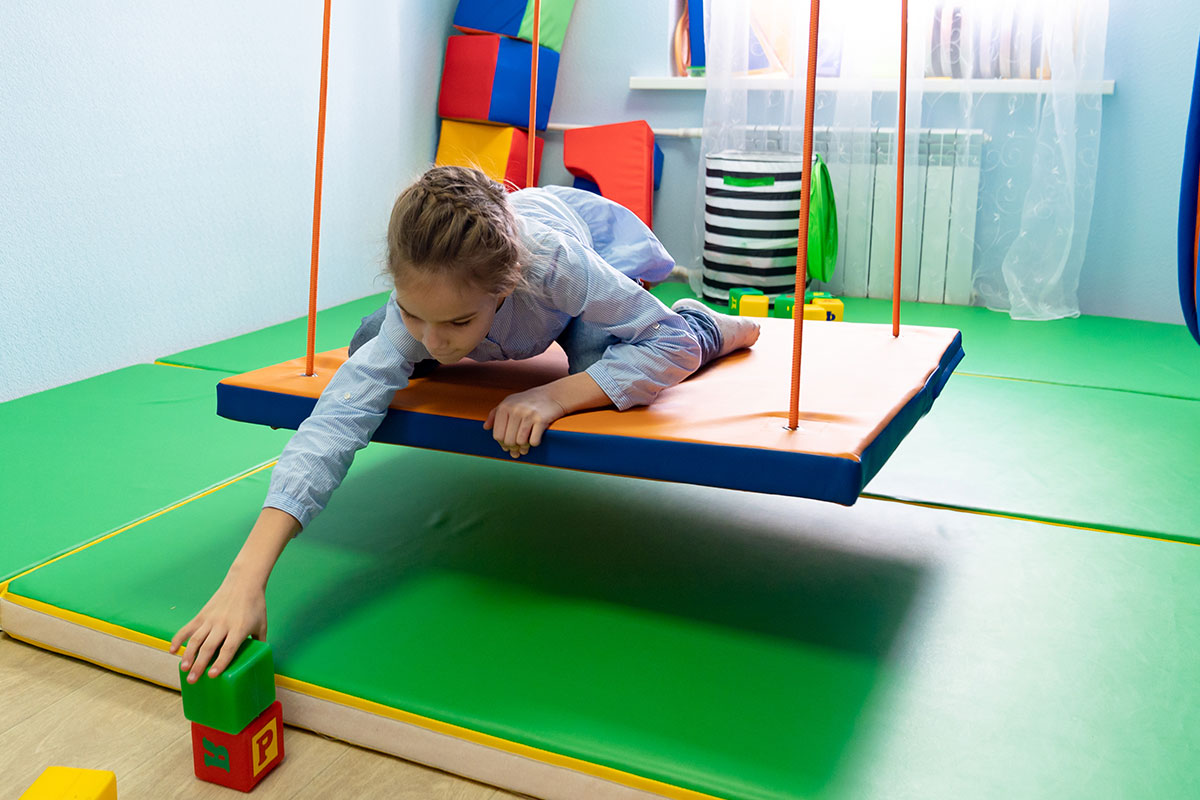
Improving Strength, Balance, and Coordination
Physical therapy helps students develop the foundational motor skills necessary for school-based activities. Our physical therapists focus on:
- Building core strength—helping students develop the stability needed for sitting upright at a desk, participating in classroom activities, and using school equipment.
- Enhancing balance and coordination—supporting students in navigating hallways, playgrounds, and gym activities safely.
- Improving posture and endurance—ensuring students can remain seated for learning tasks and move through their school day with less fatigue.
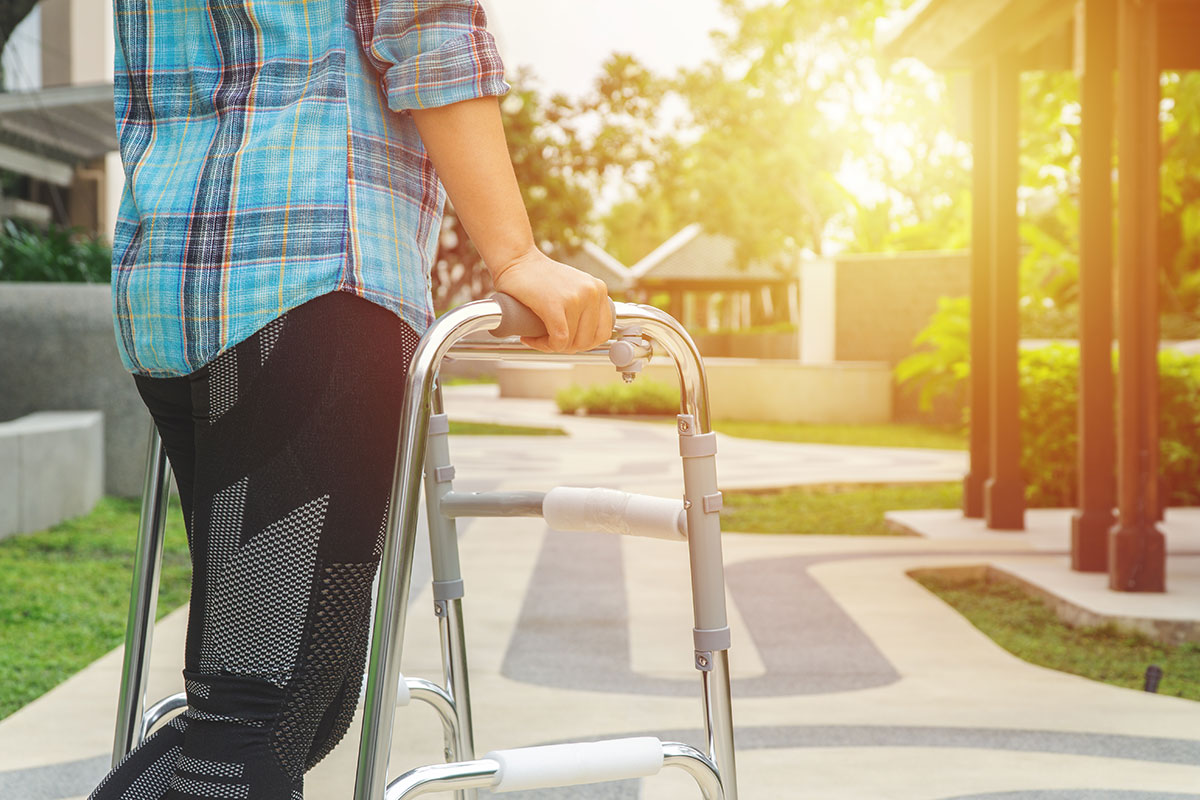
Supporting Safe Mobility and Access to Learning
For students who need assistance with mobility, physical therapy provides interventions that help them access all areas of their school environment. We provide:
- Gait training and mobility support—helping students walk safely, use assistive devices, or improve movement efficiency.
- Classroom and school accessibility modifications—assisting in adapting seating, desk height, and pathways to ensure safe movement.
- Wheelchair and equipment assessments—ensuring students have properly fitted mobility aids for comfort and function.

Developing Gross Motor Skills for Participation
Physical therapy enhances students’ ability to engage in daily school activities, including recess, gym class, and classroom tasks. Our therapists help students:
- Improve coordination for fine and gross motor tasks—supporting skills such as stair navigation, ball games, and interactive classroom activities.
- Increase flexibility and range of motion—helping students move comfortably and participate in physical education programs.
- Strengthen motor planning—teaching students how to sequence movements for smooth transitions between activities.

Promoting Independence in Self-Care and Daily Routines
For students who need support with everyday tasks, physical therapy helps develop essential life skills. We provide guidance in:
- Transitioning safely between positions—assisting with movements such as getting up from the floor, stepping onto a curb, or transferring in and out of a chair.
- Improving body awareness—helping students navigate personal space, avoid obstacles, and move confidently within their environment.
- Developing safe self-care routines—supporting tasks such as dressing, putting on shoes, and managing backpacks.

Building Endurance for Daily School Activities
Some students experience muscle fatigue or difficulty keeping up with the physical demands of a full school day. Our physical therapists help students build stamina and confidence in their movement abilities so they can fully participate in classroom and school activities. We provide support in:
- Increasing physical endurance—helping students gradually improve their ability to move through the school day with reduced fatigue.
- Developing strength for prolonged activities—supporting students in tasks like standing in line, walking long hallways, or carrying school materials.
- Teaching energy conservation techniques—providing strategies to pace physical activity, manage movement efficiently, and prevent overexertion.
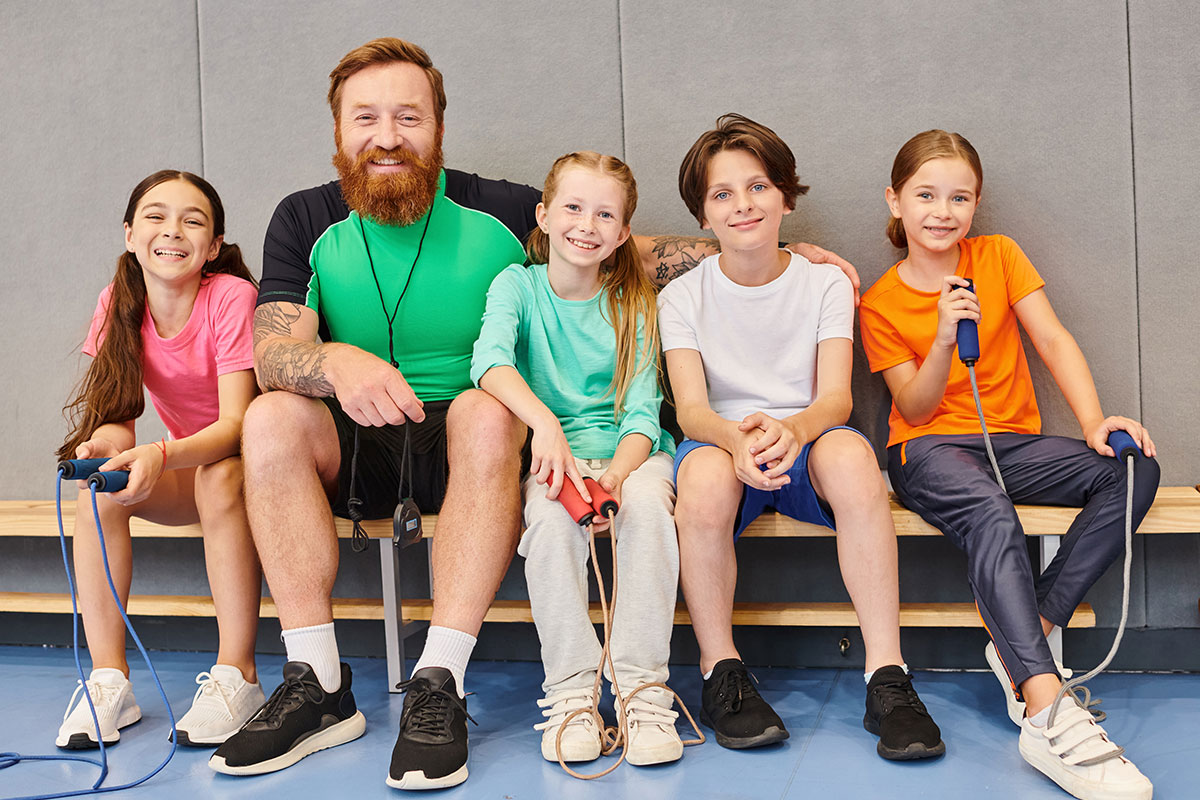
Modifying the School Environment for Accessibility
Our physical therapists work with educators and staff to create an inclusive school setting that supports mobility and participation. We assist with:
- Assessing classroom layouts—ensuring desks, chairs, and pathways allow for safe and independent movement.
- Providing adaptive seating solutions—offering positioning supports for posture and engagement.
- Collaborating on emergency evacuation planning—ensuring students with mobility challenges have a clear, accessible safety plan.
What Physical Therapists Do in Schools
Growing Healthy Seasons physical therapists work in school-based settings with the focus of helping students build the motor skills they need to actively participate in learning and school activities. Our therapists address mobility, strength, coordination, balance, and accessibility needs to support student success. By collaborating alongside educators and school staff, we integrate much-needed physical therapy into the school day, ensuring students can move confidently and safely within their learning environment.

Partnering for Student Success
As a Non-Public Agency (NPA), Growing Healthy Seasons partners with school districts to provide cost-effective, high-quality therapy services. We specially train our therapists and school-based staff so your team can be fully functional and effective on Day 1. Schools can access:
- Comprehensive evaluations for IEP eligibility and services
- Direct therapy services, both in-person and online
- Professional development for teachers and staff
- Consultative services to guide educators in implementing therapy strategies
- Response to Intervention (RTI) support for early intervention
Through collaboration with schools and families, we create inclusive, supportive, and effective therapy programs that help students succeed.